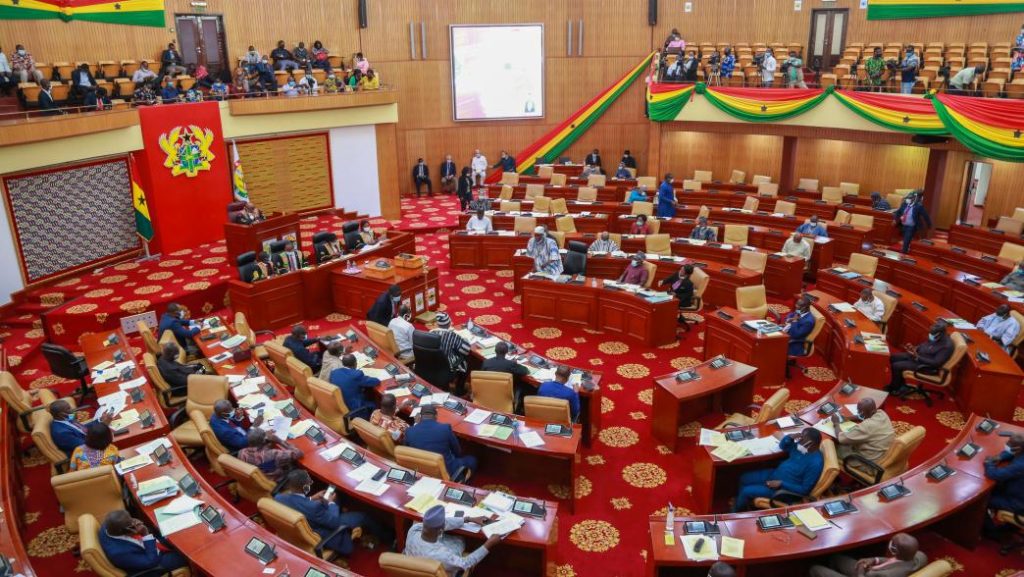
Ghana’s Parliament has passed the Security and Intelligence Agencies Bill, 2025, marking a major shift in the country’s national security framework. The bill, approved after its third reading, introduces sweeping reforms, including renaming the National Investigations Bureau (NIB) back to the Bureau of National Intelligence (BNI).
Key Reforms in Ghana’s Security Structure
A central feature of the legislation is the abolition of the Minister for National Security position. Under the new arrangement, oversight of the National Security Coordinator will now fall under a minister designated by the President, rather than an independent ministry.
This restructuring is expected to streamline decision-making and reduce bureaucratic bottlenecks within Ghana’s security architecture.
Reason Behind the NIB to BNI Name Change
Speaking during parliamentary deliberations, Muntaka Mohammed-Mubarak explained that the renaming was necessary to eliminate confusion between the intelligence agency and the National Investment Bank, both previously referred to as NIB.
He noted that the reintroduction of the name BNI would restore clarity and public understanding of the agency’s role in national security.
Government Justifies Centralized Oversight
The Interior Minister further argued that placing national security coordination directly under the President would address longstanding institutional friction between the National Security Minister and the National Security Coordinator.
According to him, the new structure ensures a more efficient and unified chain of command, which is crucial for responding to emerging security threats.
Minority Raises Concerns Over Power Concentration
Despite its passage, the bill faced strong resistance from the Minority in Parliament.
Minority Leader Alexander Afenyo-Markin criticized the legislation, warning that it concentrates excessive authority in the hands of the National Security Coordinator without sufficient checks and balances.
He also argued that the bill’s supporting memorandum failed to present clear evidence that the existing legal framework, under Act 1030, was ineffective or required such sweeping changes.
Implications for Ghana’s Security Landscape
The passage of the bill signals a new phase in Ghana’s approach to intelligence and national security management. While the government maintains that the reforms will enhance efficiency and coordination, critics remain concerned about accountability and oversight.
As the law takes effect, attention will now shift to its implementation and how it reshapes the operations of Ghana’s intelligence agencies in the months ahead.