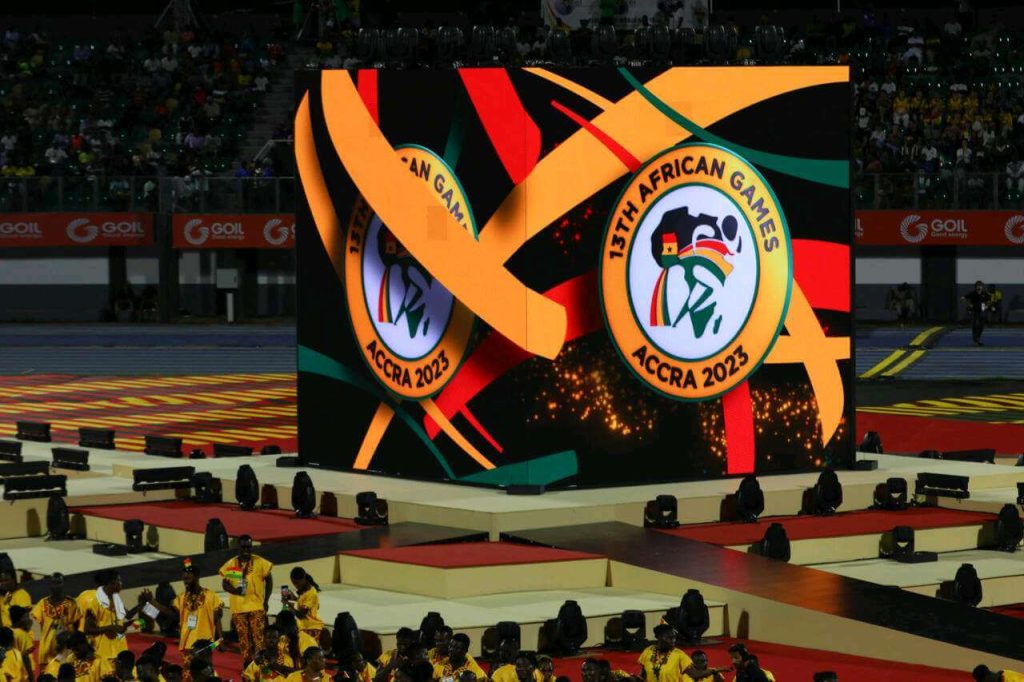
President John Dramani Mahama has instructed the Auditor-General to launch a comprehensive forensic audit into the financial and operational management of the recently concluded 13th All-Africa Games held in Ghana.
The directive, issued on Tuesday, November 4, follows the submission of a detailed intelligence report by the National Intelligence Bureau (NIB) regarding the organization and execution of the continental sporting event.
According to the Presidency, the move demonstrates the government’s unwavering commitment to transparency, accountability, and value for money in the use of public funds.
Scope of the Forensic Audit
The audit will cover five key areas, with investigators expected to examine every aspect of financial management, procurement, and institutional oversight connected to the Games.
1. Procurement and Contracting Processes
The Auditor-General will review all tendering activities, including the selection of contractors and suppliers, to ensure strict compliance with the Public Procurement Act (Act 663) as amended. The investigation will look for possible cases of inflated contracts, non-competitive bidding, or procurement irregularities.
2. Financial Management and Expenditure Control
A detailed financial audit will trace all funding sources, including government subventions and private sponsorships, and follow how these funds were disbursed. Every payment, contract, and expenditure will be examined to detect irregularities or misappropriation of public resources.
3. Infrastructure and Project Delivery
The investigation will focus on the construction and refurbishment of sports facilities, assessing cost variations, project timelines, and value for money. The audit aims to establish whether the infrastructure projects met their intended goals without compromising quality or budget limits.
4. Asset Management and Post-Games Utilisation
The audit will verify the inventory and legal ownership of all assets procured for the Games, including vehicles, equipment, and facilities. It will also assess how these assets are currently being utilized and maintained after the Games.
5. Institutional Oversight and Coordination
The roles and responsibilities of all government agencies, committees, and stakeholders involved in the organization of the 13th All-Africa Games will be evaluated to determine their effectiveness and adherence to governance protocols.
Commitment to Accountability
President Mahama emphasized that the government will not tolerate any form of financial impropriety or mismanagement of state resources. He assured the public that findings from the audit will be made public and appropriate legal actions will be taken against individuals or entities found culpable.
The directive has been widely praised by civil society organizations and anti-corruption advocates as a positive step toward promoting good governance and fiscal discipline in public administration.
Background
The 13th All-Africa Games, hosted in Ghana, were intended to showcase the country’s sporting capacity and infrastructural growth. However, concerns emerged after reports of budget overruns, delayed projects, and alleged procurement breaches surfaced during and after the event.
The National Intelligence Bureau (NIB)’s report, submitted to the President, reportedly highlighted irregularities in project execution and financial accountability, prompting the current directive for a forensic audit.