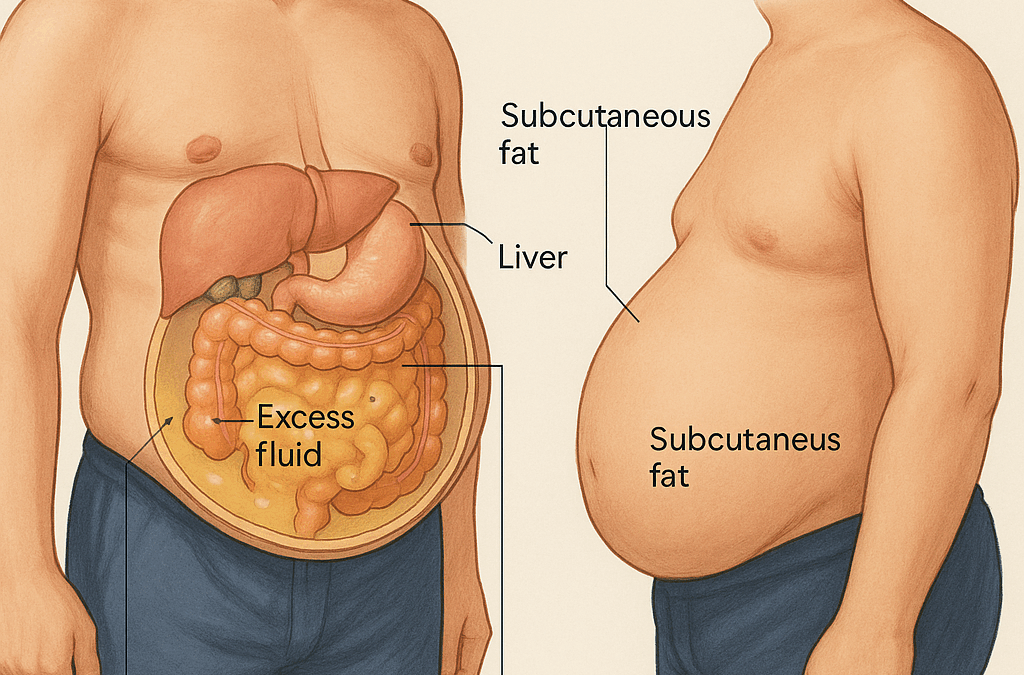
Belly fat is often viewed as a cosmetic concern, but health experts warn that excess fat around the abdomen can pose serious health risks if left unmanaged. Medical professionals say understanding the different types of belly fat and their effects on the body is essential for maintaining long-term health and wellness.
Health experts explain that there are two major types of belly fat: subcutaneous fat and visceral fat. Subcutaneous fat is the soft layer found beneath the skin, while visceral fat lies deeper within the abdomen, surrounding vital organs such as the liver, pancreas and intestines. Research indicates that visceral fat is the more dangerous type because it is linked to several chronic diseases.
Medical studies show that excessive visceral fat increases the risk of conditions such as heart disease, high blood pressure, type 2 diabetes, stroke and certain cancers. Experts also note that even people who appear slim can still carry harmful levels of abdominal fat, making routine health checks important regardless of body size.
According to health specialists, several factors contribute to belly fat accumulation. Poor eating habits, lack of physical activity, inadequate sleep, stress, ageing, hormonal changes and genetics are among the major causes. Consumption of ultra-processed foods, sugary drinks and excessive alcohol has also been associated with increased abdominal fat.
Experts recommend lifestyle changes as the most effective way to reduce belly fat. Regular exercise, balanced nutrition, quality sleep and stress management are considered key strategies for maintaining a healthy waistline. Interval training and consistent physical activity have also been shown to help reduce visceral fat levels over time.
Nutritionists further advise people to focus on whole foods such as fruits, vegetables, lean proteins and fibre-rich meals while reducing the intake of sugary beverages and highly processed foods. Drinking enough water and maintaining portion control can also support healthy weight management.
Healthcare professionals continue to encourage the public to pay attention to waist circumference and overall lifestyle habits, stressing that preventing excess belly fat is not only about appearance but also about protecting vital organs and improving overall quality of life.