Global human rights body Amnesty International has welcomed the adoption of a landmark United Nations resolution declaring the transatlantic slave trade a crime against humanity, describing it as a “momentous step forward” in the global push for reparations and justice.
The resolution, spearheaded by Ghana, formally recognises the trafficking and enslavement of Africans as one of history’s gravest injustices. It also calls on former slave-trading nations to engage in meaningful dialogue on reparatory measures.
A Turning Point for Global Justice
In a strong endorsement, Amnesty International stated that the resolution represents a critical milestone in the decades-long campaign for accountability and redress. The organisation stressed that the legacy of slavery and colonialism continues to shape modern inequalities, including systemic racism and economic disparities worldwide.
“Today’s resolution is a momentous step forward for legal recognition and reparations,” Amnesty noted, highlighting the enduring harm suffered by people of African descent across generations.
The human rights group further argued that the resolution lays a firm legal and moral foundation for addressing historical injustices, while amplifying calls for concrete actions such as compensation, debt relief, and development support.
⚡️BREAKING: Amnesty International welcomes the recognition of chattel enslavement of Africans as a crime against humanity at the U.N General Assembly, following a resolution tabled by #Ghana on behalf of the African continent and people of African descent.
— Amnesty International (@amnesty) March 25, 2026
Ghana’s Leadership and Global Momentum
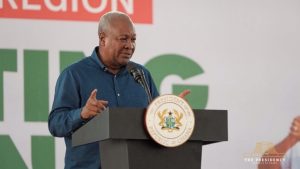
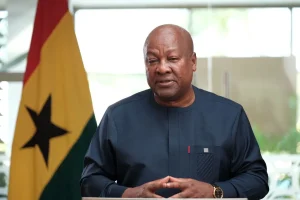
The initiative, backed by the African Union and diaspora communities, marks a defining moment in Ghana’s leadership on reparatory justice. President John Dramani Mahama has consistently described the resolution as a pathway to healing, dignity, and historical truth.
At the United Nations General Assembly, the resolution gained overwhelming support, signalling growing international recognition of slavery’s lasting impact and the need for restorative justice frameworks.
Beyond Symbolism: Call for Concrete Action
While the resolution is non-binding, Amnesty International emphasised that its significance lies in its potential to drive tangible outcomes. It urges nations and institutions that benefited from slavery to participate in structured dialogue with African states and stakeholders.
Proposed reparatory measures include financial compensation, return of looted cultural artefacts, and long-term development partnerships aimed at addressing the structural consequences of slavery.
Importantly, Amnesty also pointed to the role of private entities that profited from slavery, suggesting that accountability could extend beyond governments to corporations and financial institutions.
A Renewed Global Conversation
The adoption of the resolution is expected to intensify global discourse on reparations, placing increased pressure on former colonial powers to confront historical injustices.
For many advocates, this moment represents more than symbolic recognition, it is a renewed call to transform historical acknowledgment into meaningful action.
As the world reflects on centuries of exploitation and injustice, the resolution signals a shift toward a more honest and inclusive global narrative, one that acknowledges the past while actively shaping a more equitable future.