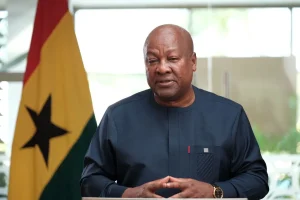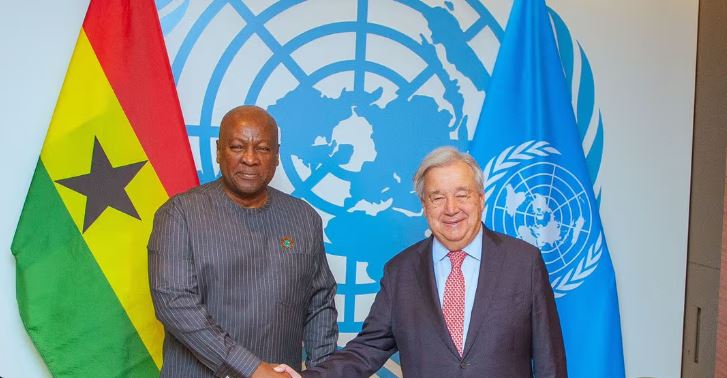
In a historic and defining moment for global justice, the United Nations has adopted a Ghana-led resolution officially declaring the transatlantic slave trade the gravest crime against humanity, marking a significant milestone in the international push for reparations and historical accountability.
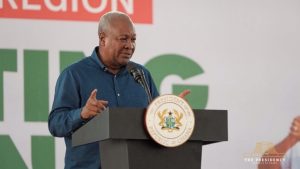
The resolution, championed by Ghana under the leadership of President John Dramani Mahama, represents a bold effort to secure global recognition of the scale, brutality, and enduring consequences of centuries of African enslavement.
Historic Recognition of a Global Injustice
The newly adopted resolution acknowledges that the transatlantic slave trade was not merely a historical episode but a systemic and institutionalised crime that reshaped the modern world. It emphasises the unprecedented scale, duration, and legalisation of slavery, which forcibly displaced millions of Africans and entrenched racial inequalities that persist today.
Ghana’s initiative aligns with long-standing calls by African nations and diaspora communities for formal international recognition of slavery’s devastating impact. The move also reinforces the legal and moral basis for reparatory justice.
Ghana’s Diplomatic Leadership
The resolution reflects months of intense diplomatic engagement led by Ghana, backed strongly by the African Union and supported by Caribbean nations. The proposal was strategically tabled on March 25, coinciding with the International Day of Remembrance of the Victims of Slavery and the Transatlantic Slave Trade.
President Mahama, who serves as the African Union Champion for Reparations, has consistently framed the initiative as a moral obligation to restore dignity and pursue justice for people of African descent worldwide.
Foreign Affairs Minister Samuel Okudzeto Ablakwa also played a key role in rallying international support, urging Commonwealth and UN member states to back the resolution as a step toward addressing historical injustices.
Renewed Momentum for Reparations
Beyond symbolic recognition, the resolution is expected to intensify global conversations around reparations. African and Caribbean states have increasingly advocated for compensation, formal apologies, and structural reforms to address the long-term economic and social consequences of slavery.
The African Union has already outlined frameworks for reparatory justice, including financial restitution, institutional reforms, and cultural restitution initiatives.
Global Reactions and Implications
While the resolution has garnered broad international support, it is also expected to face resistance from some Western nations, where debates over reparations remain politically sensitive. Critics argue against holding present-day governments accountable for historical actions, while supporters insist that the legacy of slavery continues to shape global inequalities.
Nevertheless, analysts describe the UN’s declaration as a turning point in how the international community confronts historical injustices, shifting from acknowledgment to structured action.
A Defining Moment in History
The adoption of the Ghana-led resolution signals a major shift in global discourse, placing the transatlantic slave trade at the centre of international legal and moral reckoning.
For many, this is more than a diplomatic victory, it is a powerful affirmation of truth, memory, and the enduring quest for justice.