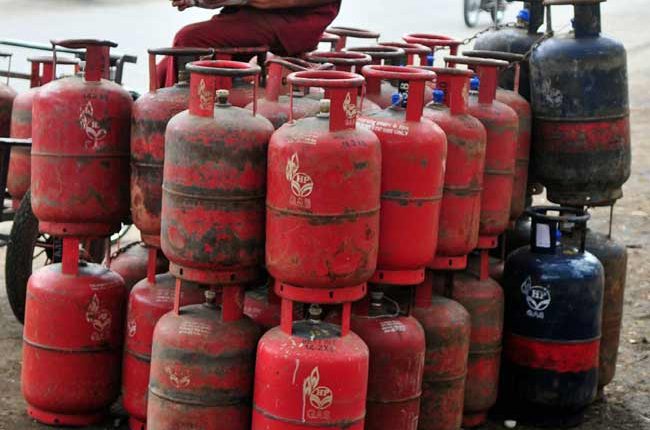
The Ghana Cylinder Manufacturing Company (GCMC) has raised serious concerns over the safety of liquefied petroleum gas (LPG) cylinders in circulation across Ghana, revealing that nearly 30% of the cylinders currently in use are unsafe.
The development has heightened fears over public safety, especially as LPG usage continues to grow nationwide as a cleaner alternative to traditional fuels such as charcoal and firewood.
Push for Cylinder Recirculation Model (CRM)
In response to the alarming figures, GCMC is advocating for the accelerated nationwide rollout of the Cylinder Recirculation Model (CRM), a policy designed to improve safety, efficiency, and accessibility in LPG distribution.
Under the CRM, consumers no longer refill their own cylinders. Instead, they exchange empty cylinders for pre-filled, safety-checked ones at authorized distribution points. This system ensures regular inspection, maintenance, and replacement of faulty cylinders, significantly reducing the risk of gas leaks and explosions.
Industry experts and regulators, including the National Petroleum Authority (NPA), have long promoted the CRM as a critical intervention to address safety challenges within Ghana’s LPG sector.
Safety Risks and Public Concerns
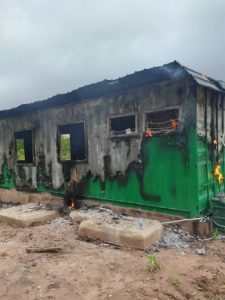
The presence of a large number of unsafe cylinders in circulation poses a major threat to households and businesses that rely on LPG for daily use. Faulty cylinders can lead to gas leakages, fires, and potentially fatal explosions.
Stakeholders warn that without urgent intervention, the situation could escalate into a broader public safety crisis. The CRM is therefore being positioned as not just a policy option, but a necessary reform to protect lives and property.
The push for CRM implementation comes amid ongoing debates within Ghana’s downstream petroleum sector. While the model has received support for its safety benefits, some industry players have previously raised concerns about its impact on existing LPG retail businesses and investment structures.
Despite these concerns, safety advocates argue that the long-term benefits of removing defective cylinders from circulation far outweigh the short-term disruptions.
Call for Urgent Action
GCMC is urging government and relevant stakeholders to prioritize the full implementation of the CRM across the country. The company believes that a coordinated national effort will help eliminate unsafe cylinders, strengthen regulatory oversight, and modernize LPG distribution systems.
Additionally, ongoing public education and awareness campaigns are expected to play a crucial role in ensuring consumer acceptance and compliance with the new model.
As Ghana continues its transition toward cleaner energy sources, ensuring the safety of LPG infrastructure remains paramount. The revelation that nearly a third of cylinders in use are unsafe underscores the urgency of reform.
The nationwide rollout of the Cylinder Recirculation Model could mark a turning point in addressing these risks, offering a safer, more efficient, and sustainable future for LPG consumption in Ghana.