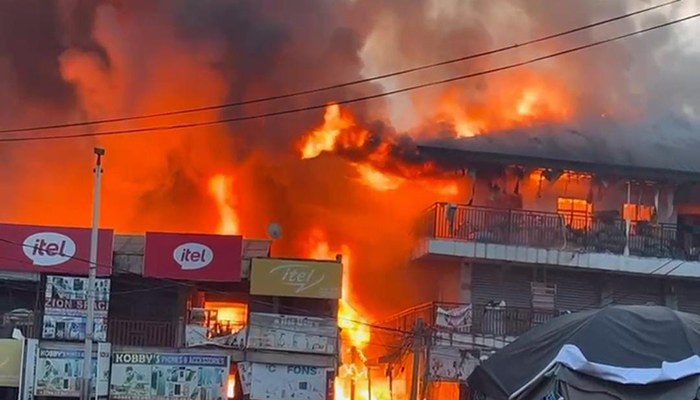
The Ghana National Fire Service (GNFS) has reported a notable decline in fire outbreaks across the country in the first quarter of 2026, alongside significant reductions in fire-related deaths and injuries.
According to the Service, fire incidents dropped by 10.02%, while deaths reduced sharply by 53.5% and injuries by 62.79% compared to the same period in 2025.
Bushfires also declined by 10.2%, and prank calls to emergency lines fell by 17.8%, reflecting improved public awareness and responsiveness.
Five Major Causes of Fire Outbreaks Identified
Despite the encouraging decline, the GNFS highlighted five key causes that continue to drive fire outbreaks in Ghana:
1. Electrical Faults and Appliance Misuse
Faulty wiring, overloaded sockets, and improper use of electrical appliances remain the leading causes of fires in homes and workplaces.
2. Unattended Cooking and LPG Leakages
Careless cooking practices and poor handling of liquefied petroleum gas (LPG) cylinders continue to trigger domestic fires.
3. Indiscriminate Burning and Bushfires
Uncontrolled burning of refuse and vegetation, especially in peri-urban and rural areas, remains a major contributor to fire outbreaks.
4. Misuse of Naked Flames
The use of candles, mosquito coils, matches, and lighters without proper caution continues to cause preventable fires in residential settings.
5. Lightning and Deliberate Acts
Natural events such as lightning strikes and cases of arson were also identified, although they occur less frequently.
Improved Property Protection and Emergency Response
The GNFS also reported a remarkable increase in the value of property salvaged during fire incidents. Assets worth over GH¢479 million were saved in Q1 2026, representing a 217% increase compared to the same period last year.
Additionally, “Out-of-Arrival” (OOA) cases, where fires are controlled before firefighters arrive, rose to 651 from 558 in 2025, indicating improved public response and early intervention.
Public Education Driving Positive Outcomes
The Service attributes the overall improvement to intensified public education campaigns, enhanced emergency response systems, and increased community participation in fire prevention efforts.
Authorities emphasize that many of the identified causes are preventable, urging the public to adopt safer practices and adhere strictly to fire safety guidelines.
Call for Sustained Vigilance
While commending the progress made, the GNFS warns that complacency could reverse the gains. The Service is therefore calling for sustained public cooperation, continuous education, and stricter adherence to safety standards.
The latest GNFS report highlights both progress and persistent risks in Ghana’s fire safety landscape. Although fire incidents are declining, the underlying causes, largely linked to human behavior, remain prevalent.
Addressing these risks through education, enforcement, and responsible practices will be key to sustaining the downward trend and protecting lives and property nationwide.